



HelioMaker
HelioMaker 2.0: Plan, Guide, and Automate Solar System Imaging
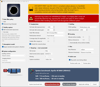
HelioMaker is an advanced planning, guiding, and capture-automation platform for solar, lunar, planetary, eclipse, minor-body, and spectroheliograph imaging.
It integrates SharpCap Pro with a custom solar version of PHD2, coordinating camera control, target detection, ephemeris-based tracking, guiding, capture sequences, focusing, and equipment recovery within a unified workflow.
HelioMaker can share a single planetary camera between SharpCap imaging and PHD2 guiding, or work with a dedicated guide scope and camera when preferred. Its workflows range from routine solar and lunar time-lapse imaging to automated total solar eclipse capture, natural Solar System body tracking, and experimental SHG scanning.
New in HelioMaker 2.0
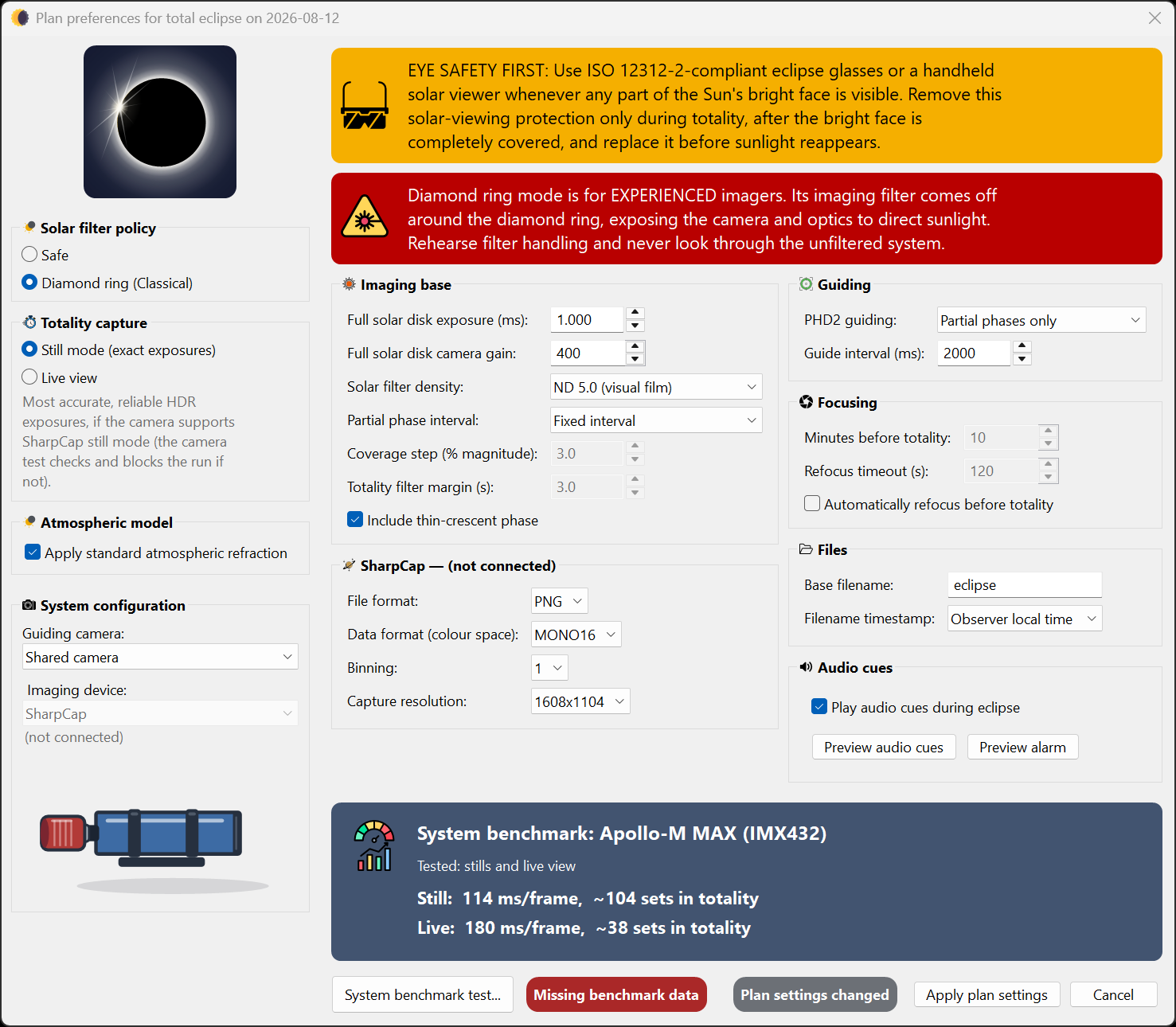
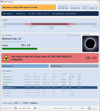
The centerpiece of HelioMaker 2.0 is the new Solar Eclipse Planner and Imaging Tool, supporting eclipse events through December 2026. It provides a complete workflow for planning, rehearsing, validating, and running an automated total solar eclipse imaging session.
Eclipse camera compatibility: The automated eclipse workflow is currently designed for fast planetary cameras controlled natively by SharpCap. DSLR and mirrorless cameras are not supported.
HelioMaker 2.0 also introduces experimental multipass SHG scanning in RA and Dec, ephemeris-based tracking and guiding for natural Solar System bodies, substantially improved target detection, and extensive stability and recovery enhancements.
Key Features
‣ Solar Eclipse Planner and Imaging Tool
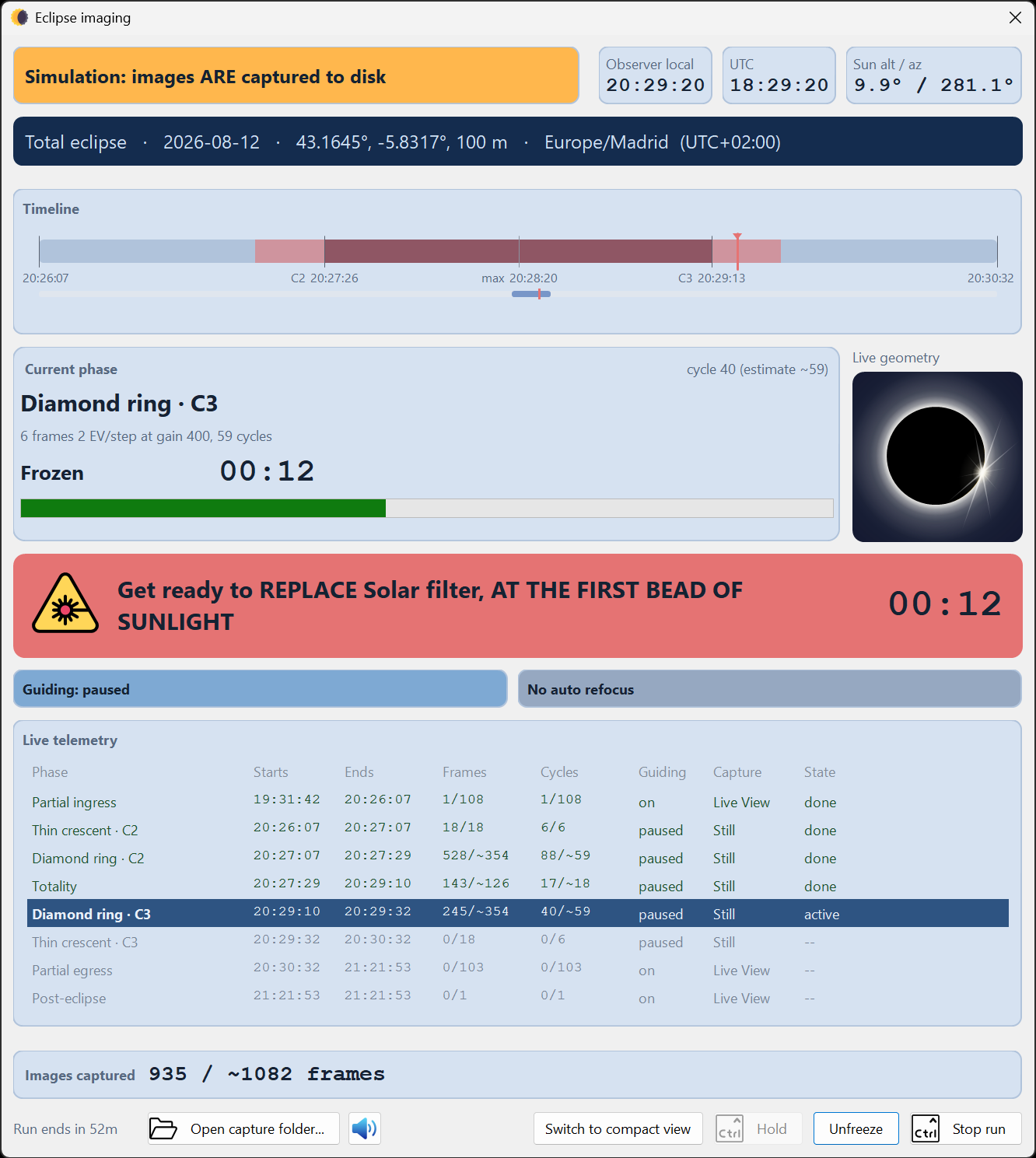
Plan, rehearse, validate, and run automated total solar eclipse imaging sessions. HelioMaker calculates local eclipse circumstances, builds phase-specific capture plans, coordinates SharpCap imaging and optional PHD2 guiding, and provides simulations, pre-flight checks, live progress, recovery warnings, and filter-removal cues.
‣ Single Camera for Imaging and Guiding
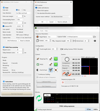
Connects a SharpCap camera directly to PHD2’s Virtual Planetary Camera, allowing the same planetary camera and telescope to be used simultaneously for image capture and guiding. Dedicated guide-scope configurations are also supported.
‣ Find & Track Tool
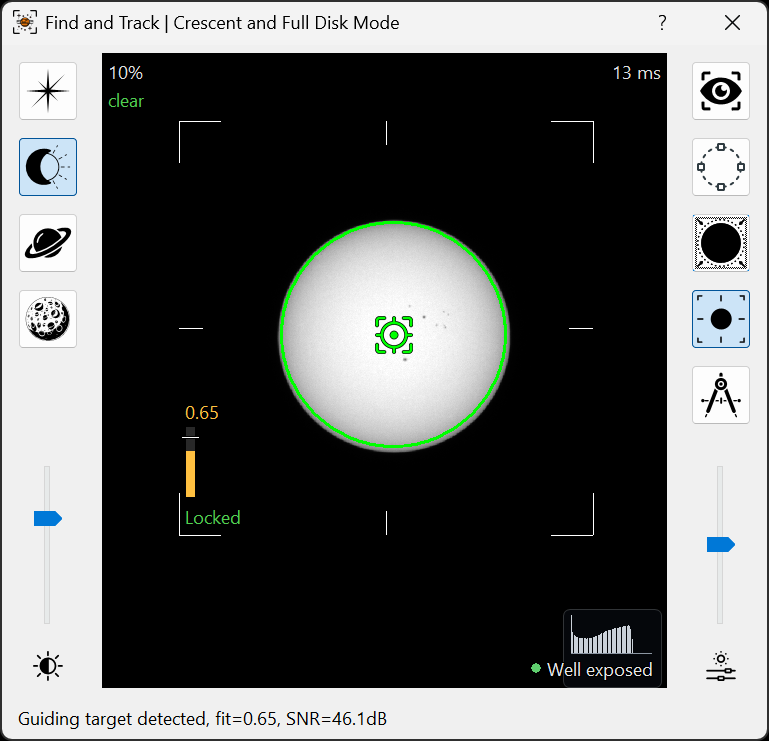
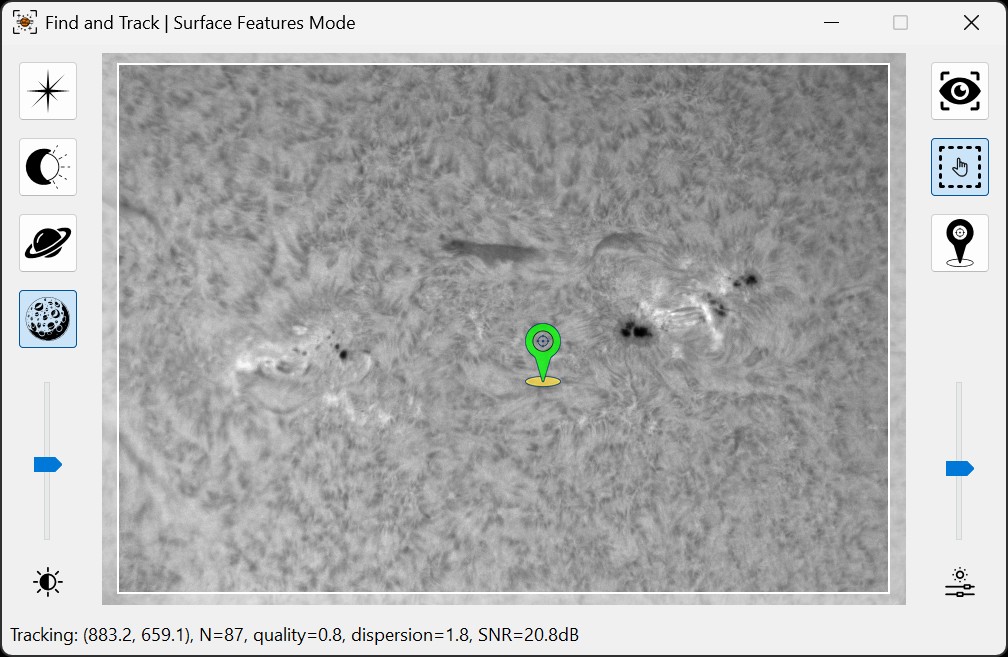
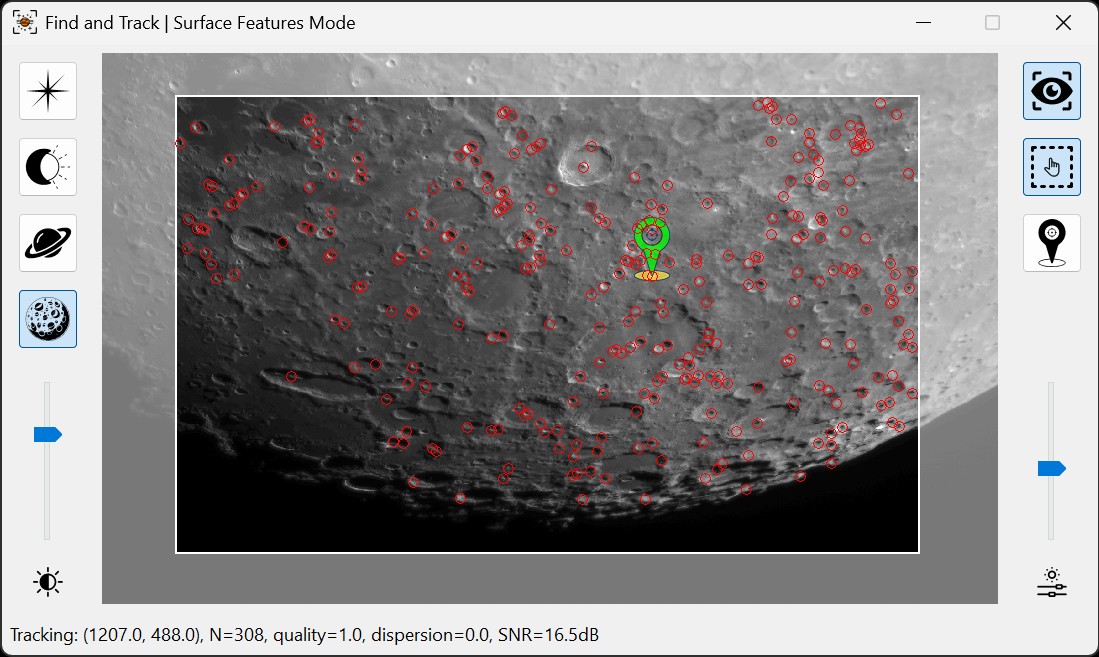
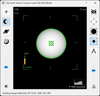
Includes advanced Full Disk/Crescent, Planetary, and Surface Features detection modes for solar, lunar, and planetary imaging. Improved acquisition, lock stability, and recovery help maintain tracking when seeing, haze, clouds, or target movement temporarily disrupt detection.
‣ Ephemeris Planning, Slewing, and Guiding
Plan observations and slew to comets, asteroids, planetary moons, and other natural Solar System bodies using JPL Horizons data or HelioMaker’s local CSPICE-based ephemeris engine. HelioMaker can calculate target motion and coordinate either mount-rate tracking or PHD2 shift-rate guiding.
‣ Dynamic Target Tracking
Continuously updates mount tracking-rate offsets for the selected Solar System target. This can substantially reduce drift compared with standard fixed solar, lunar, or planetary tracking rates and improve related calibration and guiding workflows.
‣ Automated Sequencer
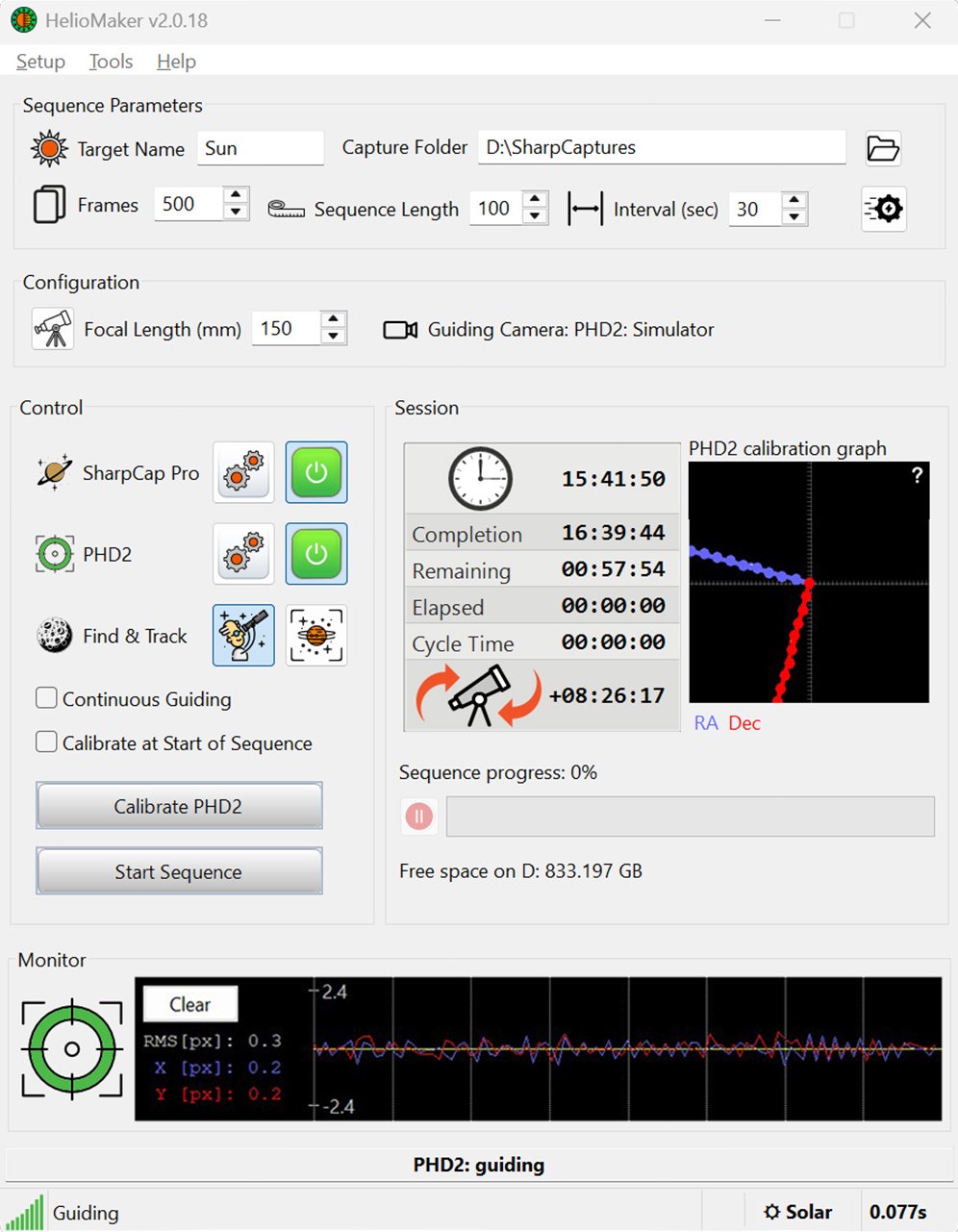
Coordinates repeated SharpCap video or image captures with target detection, calibration, guiding, capture timing, and optional refocusing. It is designed for extended solar, lunar, and planetary time-lapse sessions while keeping SharpCap and PHD2 controls fully accessible.
‣ Experimental Spectroheliograph Scanner
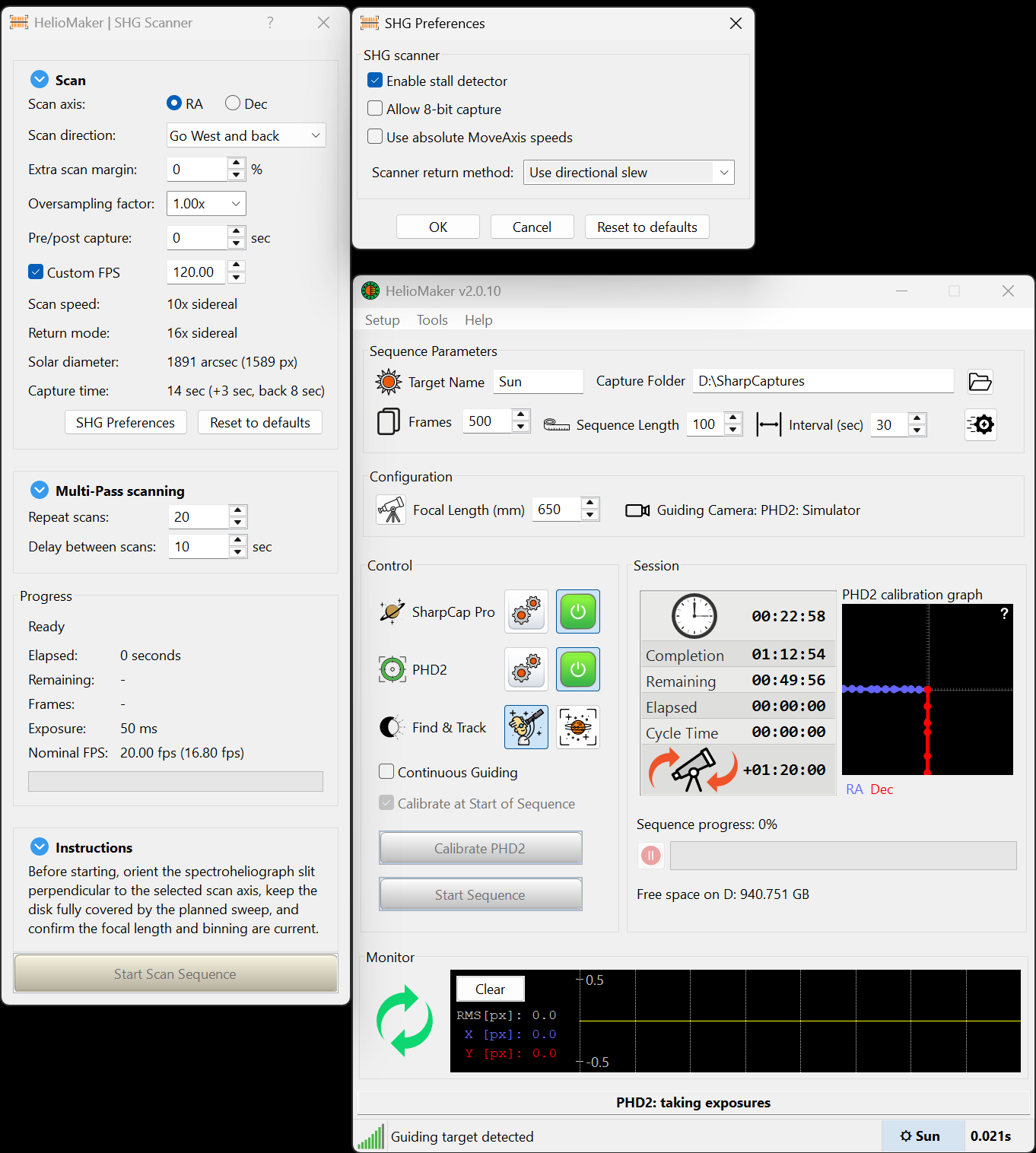
Supports single-pass and multipass SHG scanning in both RA and Dec for Sol’Ex-style and similar spectroheliograph systems. HelioMaker evaluates the connected mount and selects the best available scan method using custom tracking rates or supported slew speeds, while SharpCap records the scan video.
‣ Guiding and Calibration Control
Can automate PHD2 calibration, pause guiding during sensitive burst captures, recenter the target when required, and coordinate guiding state with the active imaging workflow.
‣ Reliability and Recovery
Includes extensive improvements to camera and PHD2 communication, capture confirmation, guiding-state monitoring, interrupted connections, target reacquisition, and equipment recovery during extended imaging sessions.
‣ Meridian Flip Awareness
Displays the predicted time remaining before a meridian flip to help the operator plan the session. Meridian flips must still be performed manually or managed by separate mount-automation software.
Benefits
‣ Simplified Imaging Workflow
Coordinate target detection, guiding, camera capture, focusing, and sequence control from one integrated workflow instead of operating SharpCap and PHD2 independently.
‣ Reduced Equipment Requirements
Use the main telescope and planetary camera for both imaging and guiding in supported workflows, reducing the need for a separate guide scope, guide camera, and additional solar filter. Dedicated guiding equipment remains supported when preferred.
‣ More Stable Framing
Improved detection, guiding, and ephemeris-based tracking help reduce target drift and maintain consistent framing during extended solar, lunar, planetary, and time-lapse sessions.
‣ Better Use of Observing Time
Automated capture sequences, calibration, refocusing, target reacquisition, and recovery tools reduce repetitive manual intervention and allow more attention to be given to imaging conditions and results.
‣ Confidence for Solar Eclipse Imaging
Plan, simulate, validate, and rehearse the complete eclipse workflow before the event. During the eclipse, HelioMaker coordinates the imaging sequence and provides live status, warnings, and filter cues when timing is critical.
‣ Flexible Solar System Imaging
Use the same platform for routine solar and lunar imaging, planetary work, natural Solar System body tracking, time-lapse capture, eclipse automation, and experimental spectroheliograph scanning.
Built for Solar System Astrophotography
HelioMaker is designed for demanding solar, lunar, planetary, eclipse, minor-body, and spectroheliograph imaging workflows. It combines precise target detection and guiding with camera automation, ephemeris-based tracking, simulation, and recovery tools intended for both routine sessions and time-critical events.
HelioMaker remains flexible enough to support simple single-camera configurations as well as more advanced setups using dedicated guide cameras, remote mounts, automated focusing, and extended capture sequences.
HelioMaker Hands-On Video Spotlight by AZAstroGuy
Watch Mark Johnston of AZAstroGuy demonstrate how HelioMaker works with SharpCap Pro and the custom solar version of PHD2 to support stable, precisely guided solar time-lapse imaging.
Note: This walkthrough covers HelioMaker 1.6 and does not include the major new features introduced in HelioMaker 2.0, such as the Solar Eclipse Planner and Imaging Tool, SHG scanning, and ephemeris-based tracking of Solar System bodies. The video also includes a special discount for viewers interested in trying HelioMaker.
Installation and System Requirements
‣ Operating System
- 64-bit Windows 10 or Windows 11.
- Windows 11 is recommended for new installations.
‣ Required Software
- A separately purchased SharpCap Pro license. The free version of SharpCap does not provide all features required by HelioMaker.
- The free custom version of PHD2 with Solar and Planetary Guiding extensions, compatible with HelioMaker 2.0.
‣ Mount
An equatorial mount with motorized right ascension and declination axes is strongly recommended. Alt-azimuth mounts may suffer from field rotation, reduced guiding stability, and inconsistent results during extended imaging sessions. Some advanced features, including Dynamic Target Tracking and SHG scanning, depend on the tracking-rate and slew capabilities exposed by the mount and its ASCOM driver.
‣ Imaging Equipment:
A compatible planetary imaging camera and telescope are required.
For solar imaging, every telescope or guide scope pointed toward the Sun must be fitted with a proper solar filter suitable for its intended use. Safe solar filtration is the responsibility of the equipment operator.
‣ Computer Hardware
- Processor: Intel Core i5, AMD Ryzen 5, or better; a fast multicore processor is recommended.
- Memory: 4 GB minimum; 8 GB or more recommended.
- Storage for general use: Any modern drive with sufficient free space.
- Storage for solar and eclipse imaging: A fast SSD with at least 1 TB of available capture space is required. High-frame-rate video capture demands both substantial capacity and sustained write performance; slower drives may cause dropped frames or interrupted captures.
License Activation & Data Privacy Notice
By purchasing this product, you agree to the License Terms, Privacy Policy and Refund Policy. Acceptance of these terms is also required during license activation. I strongly encourage you to review the full text, included with the software and available on the Product Information page, before completing your purchase. I strongly encourage you to read the full text included with the software and available on the Product Information Page, before completing your purchase.
To learn what is new in this release, please follow this link. A Quick Start Guide is also available here.
Download Information
The download link provided after purchase always points to the latest version of HelioMaker. If you no longer have access to the link, please contact customer support for assistance.